Keep in touch
Subscribe to TB HIV Care’s newsletter

TB HIV Care
TB HIV Care is a trusted South African organisation with a proven record of running large-scale, evidence-based health programmes that truly change lives.
We work with communities, health systems, and partners to deliver quality services, strengthen local capacity, and influence policy for long-term impact. Our approach creates both immediate results, like improved access to care, and lasting change by building stronger, more resilient health systems.
By supporting local organisations, using research to guide our work, and shaping national policy, we make sure every effort helps create healthier, more empowered communities. Our work goes beyond TB and HIV to include key priorities like mental health, intimate partner violence, and non-communicable diseases.
Email: aziel@tbhivcare.org
Cell: +27 (0) 66 5456053

As of mid-2024 in South Africa, an estimated 8 million people are living with HIV, with around 6.2 million accessing antiretroviral treatment.
Approximately 249,000 people developed TB in 2024, including about 14,000 cases of drug-resistant TB.
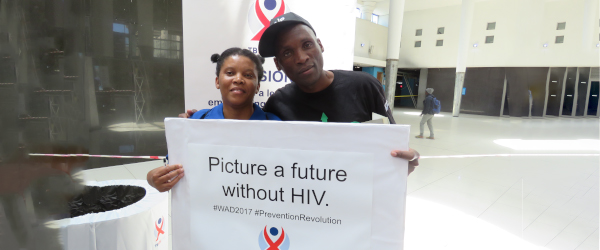
Among female sex workers, HIV prevalence is alarmingly high.
Sex workers in South Africa face alarmingly high HIV prevalence. Recent national data indicate around 62% are living with HIV.
These individuals often encounter barriers to healthcare access, including stigma, discrimination, and criminalization, which hinder effective HIV prevention and treatment efforts.

People who inject drugs (PWID) in South Africa are at elevated risk for HIV and other infections.
Despite the high risk, access to harm reduction services remains limited, with only about 5% of opioid users receiving opioid agonist therapy as of late 2023.
Harm reduction programmes in South Africa have led to a 25% increase in referrals to rehabilitation and opioid substitution therapy.
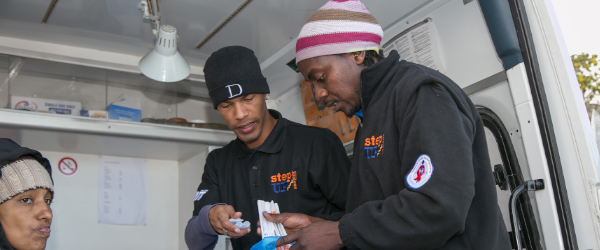
Adolescents and young people face unique challenges in the context of HIV.
Mental health issues, substance use, and limited access to healthcare exacerbate their vulnerability to HIV and other health concerns.
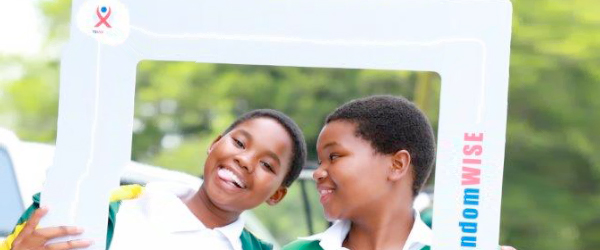
The Western Cape province has a high TB burden, with 50,392 confirmed TB cases reported between August 2023 and August 2024.
Undiagnosed TB cases continue to contribute to transmission, underscoring the need for improved screening and treatment strategies.
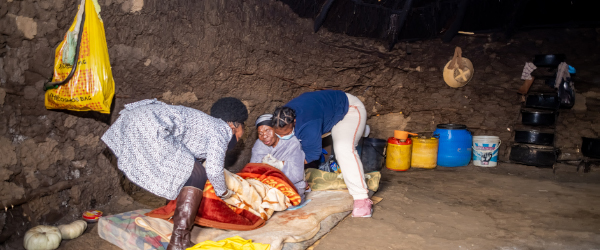
Beyond TB and HIV, we also support mental health, address intimate partner violence, promote sexual and reproductive health, and respond to non-communicable diseases, recognising that health, dignity, and human rights are deeply connected. Each person we serve is not just a beneficiary, but a driver of change, helping build healthier communities and move South Africa closer to its public health and human rights goals.
Proven ability to rapidly establish services, build trust, and achieve results in complex contexts.
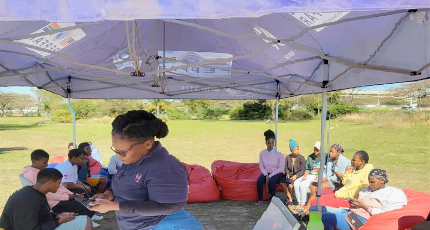
Strong partnerships with government and civil society strengthen the entire health ecosystem.

Peer-led programming ensures relevance, respect, and sustainability.
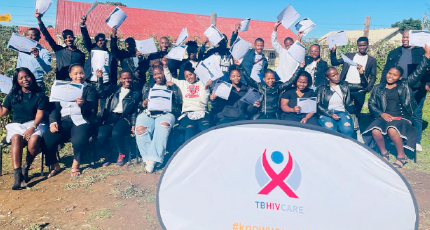
Our frontline experience generates critical data that shapes policy and drives structural change.
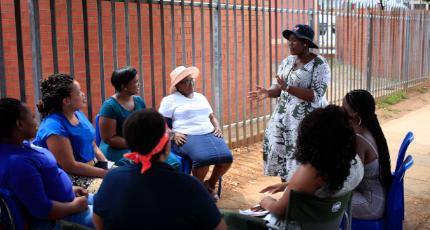
Robust systems and community ownership enable expansion while maintaining quality and responsiveness.
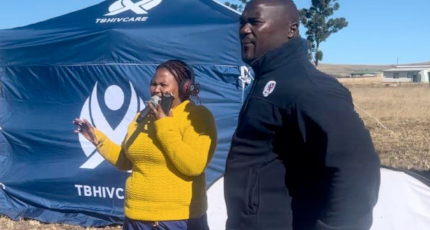
TB HIV Care offers trusted, transparent, and accountable partnerships that deliver measurable impact and lasting change.
Our corporate social responsibility partnerships are grounded in transparency and proven financial accountability.
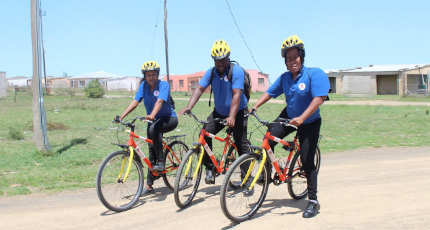
Robust systems and international-standard monitoring and evaluation ensure measurable, sustainable outcomes.
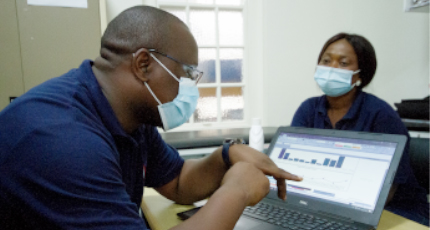
We bridge healthcare gaps while strengthening investor and partner credibility. Supporting us amplifies your corporate social responsibility impact and aligns with global ethical standards.
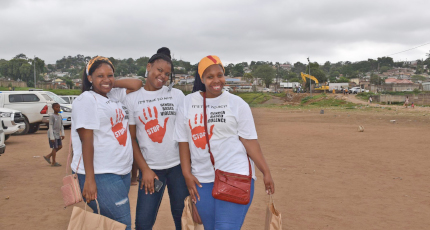
Formal Memorandum of Understandings with the Departments of Health and Correctional Services strengthen service integration and continuity of care for our communities and key populations affected by HIV, TB, and related health challenges.

Our profit-generating arm reinvests revenue into programmes, ensuring both immediate impact and long-term sustainability.
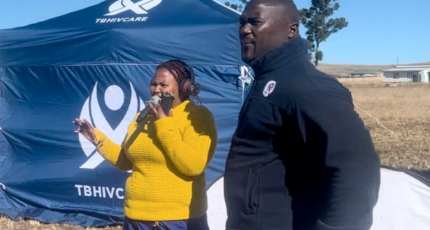
Protecting the dreams of every person we serve is at the heart of what we do. When people are healthy, they can live without the constant worry of care. They are free to learn, work, and build the future they choose. With strong systems, digital tools, and a skilled, adaptable team, TB HIV Care continues to deliver innovative, scalable, and sustainable health solutions that meet South Africa’s needs today and into the future.

Building resilience within communities by providing education, resources, and support systems.

Improving health outcomes contributes to a more productive workforce and reduces healthcare costs in the long term.

Ensuring that all individuals, regardless of their background or circumstances, have access to quality healthcare services.

Reducing the transmission of HIV and TB through targeted interventions and support.
